Loading...
Serving Hybla Valley, VA and surrounding areas. (571) 788-4635
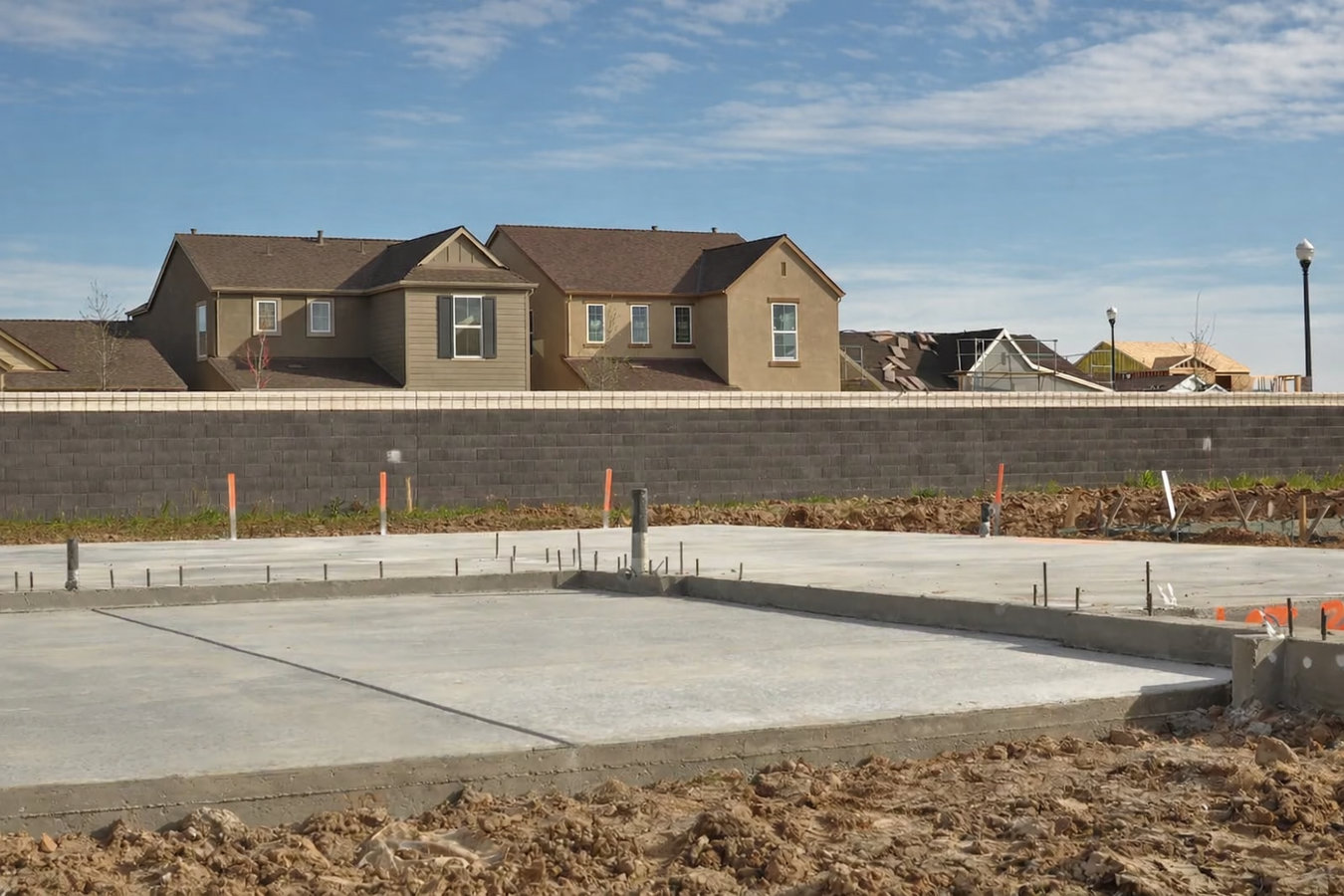
Fairfax County clay soil shifts every season. We pour slab foundations designed to stay flat and stable, with permits handled and drainage planned from day one.
Slab foundation building in Hybla Valley means pouring a reinforced concrete base directly on prepared ground, most jobs take two to four active work days for site prep and the pour itself, then about a week before framing can begin.
Hybla Valley sits on Fairfax County clay soil that expands when wet and shrinks when dry - a cycle that puts ongoing stress on concrete. Getting the foundation right from the start, with proper compaction, a gravel drainage layer, and a moisture barrier, is what separates a slab that stays flat for decades from one that starts cracking within a few years. If you are also considering foundation installation for a larger structure, the soil preparation principles are the same and we handle both.
Every slab we pour goes through Fairfax County's permit and inspection process. That means an independent inspector verifies the work at key stages before the project closes out, giving you documentation that protects you when you sell or refinance.
Cracks you can fit a quarter into, or long diagonal cracks running across a room, suggest the slab has shifted or settled unevenly. In Hybla Valley's clay-heavy soil this kind of movement is more common than in areas with stable ground, especially after a wet winter followed by a dry summer. Waiting allows the problem to grow.
When a slab shifts, the walls above it shift too, and that shows up as doors that won't latch or windows that stick. These symptoms don't always mean the foundation has failed, but they are a clear signal to have a concrete contractor look before the problem gets worse.
Water sitting on a garage floor or patio slab after rain may mean the original slab was poured without adequate drainage planning. Standing water accelerates concrete deterioration and can work its way under the slab, eroding the soil base beneath it.
If you are adding a room, garage, or accessory structure to your Hybla Valley home and the project needs a new concrete base, a slab foundation must be poured before framing can begin. This is the most straightforward situation - a clear construction sequence that starts with the slab.
Our slab foundation work covers the full scope: site excavation and grading, soil compaction, gravel base, moisture barrier, rebar or wire mesh reinforcement, the concrete pour, surface finishing, and curing management. For projects that include plumbing under the slab - bathrooms in new additions, utility rooms, laundry connections - those pipes are set in place before the concrete goes down, so nothing gets cut or jackhammered later. We also handle the Fairfax County permit from application through final inspection, so you never have to chase down paperwork.
For homeowners building larger structures, our foundation installation service covers full perimeter foundation walls and footings for homes, garages, and additions. And when an existing structure needs individual support points rather than a full slab, concrete footings are a targeted option that may be exactly what the project calls for.
Best for homeowners building an addition, garage, or accessory structure from bare ground.
Best for homes with a cracked or settled existing slab that needs to be broken out and repoured.
Best for older Hybla Valley homes converting an under-floor crawl space into a usable poured slab.
The Piedmont clay soil that underlies much of Hybla Valley and the surrounding Fairfax County area is one of the most demanding conditions for concrete flatwork. It expands when it absorbs water and contracts during dry spells, and that seasonal movement is the primary reason slabs in this area crack at higher rates than in regions with stable sandy or rocky ground. Proper soil compaction and a correctly sized gravel sub-base are not optional steps here - they are what the entire long-term performance of the slab depends on. Hybla Valley's proximity to the Potomac watershed also means stormwater moves through the area actively, and drainage planning has to be part of every foundation scope, not an afterthought.
Much of Hybla Valley was developed in the 1950s through the 1970s, which means a significant share of foundation projects in this area involve replacement or repair rather than new construction. Older slabs often lack the moisture barriers and sub-base preparation that current standards require, and removing an existing slab adds a cost and time component that a new-construction estimate will not cover. We serve homeowners throughout the area, including Springfield and Lorton, where the same clay soil conditions and older housing stock create the same set of foundation challenges.
We reply within one business day. We will ask about your project - what you are building, the approximate size, and whether an existing slab is involved. Most slab projects need an on-site visit before we can give you an accurate number, so we schedule that at no charge.
We visit your property to assess soil conditions, drainage, and the project footprint, then provide a written estimate with every line item spelled out. Once you approve the scope, we pull the Fairfax County building permit - permit review typically takes one to three weeks.
With the permit approved, the crew excavates, grades, and compacts the soil. Gravel base, moisture barrier, and steel reinforcement are set before any concrete is placed. If the project includes under-slab plumbing, that goes in at this stage.
Pour day typically takes four to eight hours for a residential slab. We manage curing carefully - covering and moistening the slab as needed, especially during Hybla Valley's hot summers. A final county inspection closes the permit before we leave the project.
Free on-site estimate. Written quote with every line item. No obligation.
(571) 788-4635We handle every step of the Fairfax County permit process - from application through the final inspection sign-off. You get documented approval on record, which protects you at resale and proves the work was done to county standards.
We do not skip or rush the sub-base work that Hybla Valley's clay soil demands. Soil compaction, gravel drainage layer, and moisture barrier are standard inclusions, not upgrades, because cutting those corners is what causes slabs in this area to crack.
Many homeowners in this area have been burned by estimates that did not include demolition of an old slab, grading work, or permit fees. Your written estimate spells out every cost before anyone picks up a shovel, including removal of existing concrete if your project involves it.
Virginia requires contractors performing work above a set dollar threshold to hold a license through the Department of Professional and Occupational Regulation. You can verify license status yourself at any time on the Virginia DPOR website - it takes about two minutes and confirms the contractor is current and in good standing.
Every slab we pour in Hybla Valley is built to handle the specific challenges of this area - the clay soil, the seasonal moisture, and the permit requirements that protect your investment long term. We have done this work in these neighborhoods and we know what it takes to get it right.
Full perimeter foundation walls and footings for homes, garages, and larger additions on Hybla Valley properties.
Learn MoreIndividual concrete footings that provide targeted load-bearing support where a full slab is not required.
Learn MoreSpring permit slots fill up fast - call now to lock in your start date before the season books out.